Want to learn how to plan your renovation from the start, get clear on what you want, choose the right team, and set your project up for success – whilst enjoying yourself?
See how Tanya found that getting clear early, using a design brief, and choosing the right team transformed their renovation experience and helped them create a home they love.
Listen to the episode now.
Hello! This is Episode 394, and in it, I’m talking with HOME Method member, Tanya. Tanya lives with her husband and daughter in Melbourne, in a 100-year-old double brick home that they worked within the existing footprint of the home, undertaking a renovation that dramatically improves how it feels, functions and performs.
What started as a cold, dark and disconnected house has been transformed into a warm, light-filled and comfortable home that truly supports how their family wants to live.
In this episode, you’ll hear about Tanya’s journey through her renovation, and how she approached it in a way that set her up for success from the very beginning.
One of the key tools you’ll hear her talk about is their Design Brief. Using the Brief Builder from HOME Method and taking time to fill it out enabled it to be a game changer for her project.
By investing the time upfront to get clear on how they wanted to live, Tanya and her partner were able to confidently interview and choose their team, communicate their vision, and keep decisions aligned right throughout the process.
It’s a great example of how doing this work early doesn’t slow you down, it actually saves time, reduces stress, and helps you move forward with clarity and confidence.
LISTEN TO THE EPISODE NOW.
You’ll also hear how Tanya navigated choosing her architect and builder, how she built a collaborative relationship with her team, and how being informed and prepared completely changed her experience of renovating.
In fact, her builder, Anthony Hickey from Two Tone Construction, who we had back on the podcast in Episode 359 and Episode 360, shared how much he loved working with her as an educated and engaged homeowner. This is something I see many people worry might create tension with their project team, but in Tanya’s case, it did the opposite.
Something I also really love about this conversation is Tanya’s genuine passion for sharing her story. They had such a positive experience, and Tanya is incredibly generous in wanting others to benefit from what she learned, so they can feel more confident and supported in their own projects too.
Whether you’re planning a new build or a renovation, if you’re worried about getting things wrong, feeling overwhelmed, or not knowing where to start, I think you’ll find this episode both reassuring and instructive about how to improve your project experience, and the home you create.
Before we dive into the conversation, let me give you some context on timing.
Tanya joined HOME Method in January, 2021, and her renovation was completed in January 2025. Construction began on the project in July, 2024, after Tanya and her partner worked with their designer, Altereco and their builder, Two Tone Construction, in a collaborative model during an involved pre-construction process. This episode was recorded in late February 2026.
Let’s jump into Part 1 of my conversation with Tanya now.
This is the transcript of my conversation with Tanya, sharing how they planned a great renovation of their Melbourne, 100 year old brick home.
Amelia Lee
Well, Tanya, I am so excited to have you here, and so looking forward to our conversation. Of course, we had Anthony Hickey, your builder from Two Tone Constructions on the podcast a while ago, talking about what it was like to work with a Homee, and he had glowing praise for what it was like to work with you as an informed and educated homeowner. And it really was a testament, I think, to what it’s like to be an empowered and educated person as you step into your project. I know a lot of homeowners can be very nervous about feeling like they’re overstepping, that their builder is going to resent them for that. But it was awesome to see from his side of the fence how he much he loved it, how open he was to the education that you’d done, how that really created a fantastic collaboration. So I’m really excited to have you here and talk about it from your point of view and what that’s been like.
I’m wondering if, before we dive in, you can just share a little bit about who’s in your family, who this project was for, what were you trying to create with the renovation and what some of your key goals were?
Tanya
Yeah, thanks so much, Amelia, for having me. This is a dream of mine, to be on your podcast, because I’ve been listening to your podcast for a long, long time, and I have so much respect for the work that you’re doing and the difference you’re making in the world, just in the building sector and just people’s lives. So, I’m really thrilled to be here. We had the best experience through our renovation experience. So, I’m really pleased to share this story with everybody. In my family, we’ve got Paul, my husband, myself, my 12 year old daughter, Emily, who was probably 10 when we’re going through this process.
And we live in Yarraville, which is in West Melbourne. So, it’s a double brick home, 100-year old house, very drafty, very dark, cold, separate living space, separate kitchen, separate dining. And so, we lived in the house for about 10 years while we saved up to do this project. But we had visions from the start of how we wanted to live or what we wanted to do, but we took our time to get to that place of actually going ahead with the project. So, yeah, very keen to share all of that with you and your listeners.
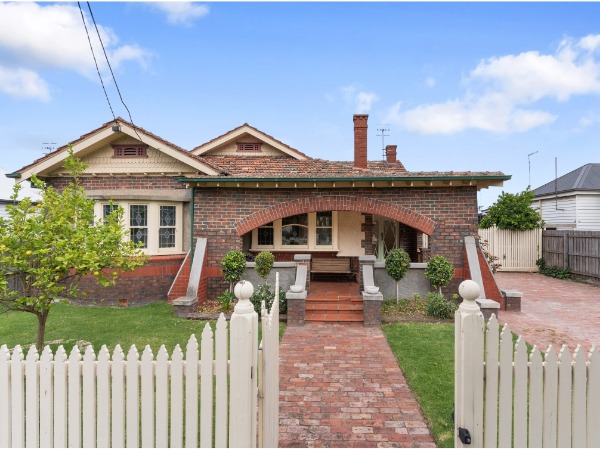
Image of Tanya’s Renovation. Photographer: Kip Scott
Amelia Lee
What size was the house, and where did you take it to, like, how much did you actually create through the renovation?
Tanya
Well, actually, through listening to your podcast and doing the HOME Method education, I felt strongly about enoughness, and so we wanted to stay within the existing footprint of our home. So, it was a four bedroom home, and we did something a little bit controversial, which is we reduced it to a three bedroom home. Because it’s just the three of us here, and eventually, Emily will grow up and move on as well, and it’ll just be the two of us left. So, we didn’t really need to go up or out. Actually, one of the architects that we met with very early in the process wanted to extend out, and that immediately seemed like a red flag to me, like we’ve already decided we want to stay within the footprint. We’ve got enough here. We don’t need any more. It’s going to cost us more to heat and cool, and I’m really not a fan of cleaning.
Tanya
I’m no domestic goddess, so I didn’t want to add anything extra that I was going to need to clean. So, we stayed within the footprint of the home.
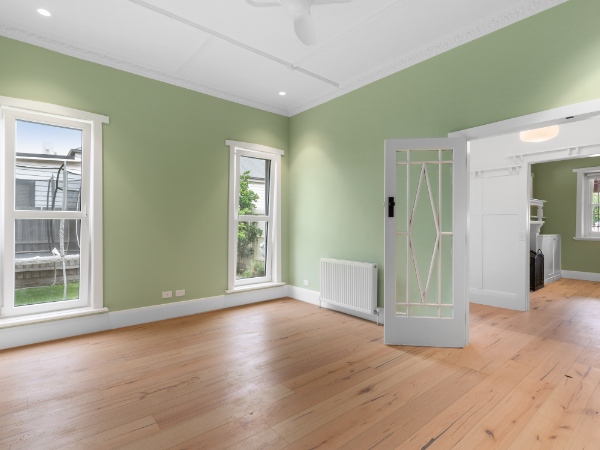
Image of Tanya’s Renovation. Photographer: Kip Scott
Amelia Lee
That’s fantastic. I so love that you mentioned that, because I think a lot of people are wanting to do that, and then somewhere in the process, somebody just says, “Oh, but what about resale?” Or, “Where are guests going to go?” and all of this kind of thing, and you get caught up in creating somebody else’s version of your home. So, I love that you mentioned that, because I think a lot of people will really resonate with that idea.
I’m wondering, before you joined HOME Method, what were you most nervous about? It’s a 100-year old home. It’s a big undertaking. Can you remember back to that time and what you were concerned about?
Tanya
Yeah, for sure. I was really nervous about not understanding the process, and particularly, as a woman going into this process, feeling like I was going to be not taken seriously or ripped off. Nervous about being pushed into something that we didn’t want, or maybe even not not knowing what we wanted. I’d spent probably a year with tracing paper over the top of our house plan, trying to map out how I thought the floor plan should look. And I thought renovation was all about mapping out the floor plan. And it’s really not until I went through the education that I understood more about the process.
Well, the floor plan is an important part, isn’t it, but it’s not everything. And so, I didn’t know who to talk to first. Do you talk to a builder first? Do you talk to an architect? Do we need an architect or draftsperson? Do we need the structural engineer? Because we’ve got double brick walls, and it’s an old house. So, there was a whole lot of unknowns, and it was frightening and scary, and we’re about to spend a huge portion of money that we’ve never done before, and just didn’t want to get it wrong, I suppose. So, yeah, it made sense to seek out some more information about that and dig a bit deeper.
Amelia Lee
Yeah, and you said to me that one of the biggest game changers for you was building knowledge before building walls, which I thought was such a beautiful way of framing it. What did that actually look for you like in practice?
Tanya
Yeah. I think I first went searching for a kitchen design podcast, because I was a bit not sure where to start. So, I was like, “I’ll start with something easy that sounds a bit more palatable. Kitchen design sounds fun.” And then I stumbled across one of your podcasts, which was about kitchen design. And as soon as I listened to the first one, I went right back to the start and just listened almost like, hour by hour, all of them from start to finish. And then everything made sense. I was like, “This is what I need to do, is gather this information.” I thought the podcasts were fantastic because they really gave me a good baseline knowledge of the PAC Process and understanding orientation and understanding about getting the team right.
And I love the podcast, particularly like kitchen design that Frances Cosway one from White Pebble Interiors and then the Dulux Colorbond. As you can see, we’ve got green in our kitchen as a result of understanding colour. But I wanted the next level of knowledge. After I’d listened to all your podcasts, I thought it feels really important, if we’re going to spend this money, I want to get the next level of education, which is what prompted me. I came along to one of your webinars, and I heard somebody say you’ll get the money back from the education in your project somewhere. And I believe that. And so. I went ahead with it. And I can tell all your listeners, guaranteed, you will recover your money easily by going through the HOME Method.
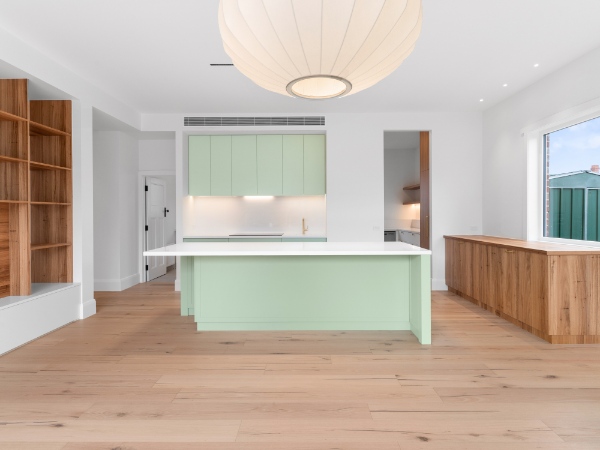
Image of Tanya’s Renovation. Photographer: Kip Scott
And so, the biggest concerns that we had was stuffing up the project, getting ripped off, feeling stressed. And so, what HOME Method was able to offer me was probably three main things. One was the endless supply of resources that you get through the education. You’re very generous in your sharing of your knowledge and your expertise all the way through. There’s lots of videos. It’s very easy to watch. It’s very easy to absorb in small chunks, if you don’t have huge amounts of time in blocks. And so, I was able to listen to it on my headphones while I was walking, as well as watching it in the evenings. All the checklists, the interview questions for builders, I used all of these resources that I use. And I have to admit, we probably used the learning and the resources up until about the build stage, because by then, we’d established our team, and we had Anthony Hickey from Two Tone Construction, who you know very well, and he was exceptional.
And so, by the time we got to that stage in the process, didn’t feel like I needed to rely on the resources as much anymore, because we had this great relationship with Anthony, who was our builder. So, the three things that I think we really gained through the HOME Method was the access to the resources. Then the Q & A sessions that you have every fortnight were fantastic. So, when we had live issues or examples or things that we come across in a renovation project, I was able to put a question out to you on the community page, #askAmelia, and you were wonderful at answering all my questions live in that session, and then it would get timestamped and sent to me. It was fantastic. So, having access to you in that way was, I think, game changing as well.
And then the third thing was access to that online community that you’ve built, because it’s chock full of like-minded, informed people. They’re either going through the same stage as you in the project, or they’ve been through it recently, so they’ve got really up-to-date knowledge, and they are so unbelievably generous in the sharing of their knowledge and expertise, and that information, like the detailed information that some of them sent back, really helped us live. We never felt alone or unsure about anything, because there was always somebody to ask, whether it was you directly or through the online community. It was absolutely game changing. And so, that really set us up well for feeling confident to go through this renovation process, and it led to such a wonderful outcome.
Honestly, you’ve not heard of anybody else saying that they enjoyed their renovation process, and we really enjoyed it.
Amelia Lee
I love that. You’ve heard me say, I’m a firm believer that you can and you should enjoy doing your project. And that community, I get blown away, there’s people who become really subject matter experts in particular areas that they’re really passionate about, and then they feed that knowledge back into the community to benefit others. And it is really exciting to see that collective learning journey. I think that your own home can feel like such a special little snowflake that’s so geographically specific, you can think that nobody’s really going to know what you need to contend with unless they can physically be there and see what you’re navigating, or what your home might need. But yeah, to be able to actually see in that community, everybody is on a similar journey.
And there are things that people have as big priorities that they then feed back in, that then align and resonate with others. And together, everybody then can really collaborate and partner with each other to get the best outcomes. And just also, I think it’s that thing too, renovating and building can be quite an emotional journey as well. And to see others and what they’re struggling with and what they’re sharing and what they’re overcoming as well can be really comforting. So, I’m wondering if you can tell us about your design brief. So, you mentioned to me that it was a 33-page brief. I’m really curious, how did actually preparing that brief help you to get clear?
You said just earlier that you weren’t sure that you’d actually know what you want to do. And so, creating that brief is a really big step in getting clarity around that. And then how did that brief go through the project, in terms of actually driving some of the design outcomes, helping you communicate effectively with your team, and being able to navigate that build experience more confidently.
Tanya
Yep, yeah, good question. I think my biggest advice to everybody is to be really patient through this stage, because sometimes it can feel like I just want to get going and do things. But trust me, if you invest time into putting this brief together, it will come back to you in spades. So, we spent about eight months, I think, in total, on building a design brief, got the template through the HOME Method program, and focused on how we wanted to live, not what we wanted the house to look like, which is, that’s a shift of gear.
Tanya
I think a lot of people, you’re looking at Pinterest all the time, and you’re thinking about colours and things like that, and that’s not the most important part. So, I went back to my childhood, like when I was a kid growing up, we had this kitchen bench where it was a hub of the home, like doing homework there, somebody’s cooking, because there was always people gathering around there. It was social cheese platters and things like that. So, there was little things like that that were non-negotiables. These are the things, that’s how I want to live in my house, or us as a family. And going to friends’ houses, you’d see things that they had in their homes that created an atmosphere or a vibe or a community feel or whatever.
We included in our brief also things that annoyed us about our current house. There was dark corners, getting a cupboard that could hold an ironing board and a clothes horse and all those things, just little things like that. As you live and you’re going through everyday life, just keep a little note of all the things that annoy you about your house, and things that you love about your home, things that you love about other places you’ve been to, and then bring it all together in a document. And that template was a fantastic base. And we also focused on the five F’s, the feel, the functionality, the furnishability, the flexibility, and the flow.
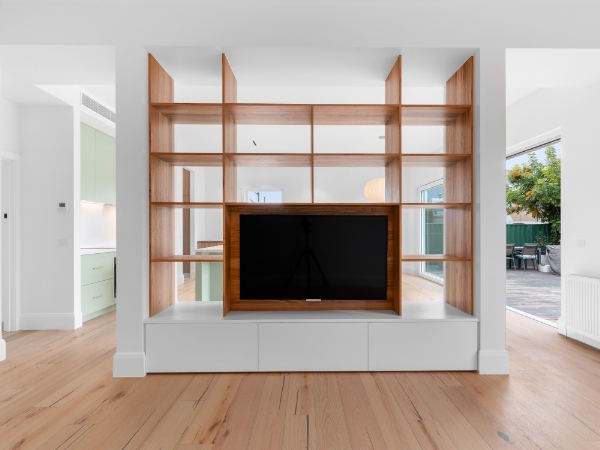
Image of Tanya’s Renovation. Photographer: Kip Scott
Amelia Lee
Well done on grabbing those.
Tanya
Top of the mind. So actually, in the brief, I went through each space in the home and how I wanted each space to feel, flow, flexibility, etc. So, it took considerable time, but it was really worth it, because when we sent that brief out, we sent it out to about four architects, I think, in the end. The first one that came to meet us at our home, he walked into our house, and I said, “Oh, did you read the brief?” And he said, “Oh, no, I didn’t read it, was too long.” And I thought, ‘Oh, okay, red flag straight away.’
Amelia Lee
Ding, ding.
Tanya
Yeah. Meeting didn’t go for very long. And then the next one that we met with started to map out floor plans before they’d even looked at the brief as well. And I thought, ‘No, no, it’s not the right fit either.’ So, the architect that we went with, Altereco in the end, they had their own process of gathering this information, but it really duplicated, or probably we gave them more than what they were asking for in their process. And so, that felt like a good fit. And then, how that translated was when we engaged with Altereco, they did the first two design sketches, like initial plans. And the first meeting that we had, we immediately loved one of their designs already. And it was such a relief to walk away from that meeting feeling like, ‘Oh, wow, they really understood us, and they really understood how we wanted to live.’ And so, straight away, I felt like, ‘Okay, we’ve already saved time by not going backwards and forwards on many iterations of a plan.’ And it felt like it had an impact straight away.
And the design brief was something that we’ve referred to all the way through the project, and then, actually, just more recently, before I’ve been meeting with you, I was reading it again, and it was so nice and reassuring to think we actually achieved everything that we wanted to achieve. And it was like a tie a bow on it kind of moment when it all came together.
Yeah, it’s a really interesting exercise, isn’t it, because I find that time and time again, what you’re saying is echoed by a lot of other HOME Method members. That work of sitting down and in the time when you’re not hurtling towards a deadline, you’ve got time to process.
Amelia Lee
As you say, you’ve got also that opportunity to be what we call that design detective, where you’re really paying attention to your everyday life and what niggles you and really frustrates you and you want to avoid, and I suppose, make sure that you include. And I love that story about your own experience of the island bench growing up in a home, because so much of what we love in our homes comes from those nostalgic and sentimental memories of happy times that we’ve had, and things that we’ve loved and we want to connect with and recreate. And so, when you actually get that clarity before you dive in, and as you say, it’s that opportunity then, those meetings with those architects and designers is as much about seeing how they respond to it and how they operate in those initial meetings as to then it being a communication tool that they can then put into practice in the design itself.
And you have greater clarity about what you’re looking for, which means you’re able to communicate more effectively. They have a better understanding. And so, you know very quickly, is this going to be aligned, or is it not going to be aligned? And then those resolutions can be reached much more smoothly as well. And I mean, we have had experiences where people have dived into a design process with an architect or designer, and that first response has come back, and it’s not in alignment with the brief. But you’ve got somewhere that’s really concrete to go and say, “Hey, why did you design this when this is what we’re asking for?” rather than it being this really gray thing of “Well, maybe they just didn’t understand it because we were verbally communicating it, or we hadn’t really spent the time thinking about it before we dived in.”
And so, I love that you took some time, because what you’re doing in the process is you’re getting to know what you want really well. You’re also building trust in your ability to think about these things and understand these things. That then means that you can step into the process trusting your own ability, which enables you to then trust others and to be able to see the red flags very quickly. And it’s so beautiful to hear that. I mean, design briefs do change, but it sounds to me like you were able to get super clear, then pull the right team together. They also respected it as a platform of communication as well, and then you could sanity check everything against it.
And I think that it really does pay dividends in the long run, to have that place to come back. Because I can imagine, I mean, one of the reasons that we talk about using the design brief so much is because you’re going to make 1000s of decisions. So, you need somewhere to come back to to get clarity. You need somewhere to sanity check things. And so, you mentioned you used it quite a lot. Were you using it at times where you really needed to revisit your goals and go, “No, this is actually what we’re working towards.”?
Tanya
Yeah, definitely. I think also, during that design process, and maybe I’ll explain, I get really overwhelmed with decision-making. I can’t even walk down the light globe aisle at Bunnings without feeling like, ‘Oh, there’s too many things to choose from here.’ So, having the design brief, particularly in that design stage, really helped with that. It was like walking down a Bunnings aisle with just things for you, just things that you like. That’s the analogy that comes to mind during that design stage. So we had it, we engaged an interior designer through the architect, and she was fantastic that she understood our brief, she understood us. And when she presented us with colour choices or wallpaper choices or carpet choices and things like that, quite often she’d just show us one or two things, and we were able to choose immediately from those, because she really understood us. And I think it just took all the noise out of the decision-making process.
It wasn’t like a giant Pinterest board with 100 items in there. It reduced the selection down, because a couple of things that were important to us was durability, quality of materials. We’re not project people. We’re not great at fixing things and maintaining things, so we were happy to spend a bit more money on finishes and fixtures and things like that that were going to last and be easy to maintain. Like, I referred to me not being a domestic goddess. I want there to be surfaces are easy to wipe and that sort of thing. So, our interior designer was also really conscious of that when she selected items for us and showed them to us, that all of the design brief was coming into that straight away. So, I think also, that then reduces the time that you’re taking to make these decisions and go through that process. And time equals money. So, it’s a no brainer, the design brief was absolutely the foundation of the project.
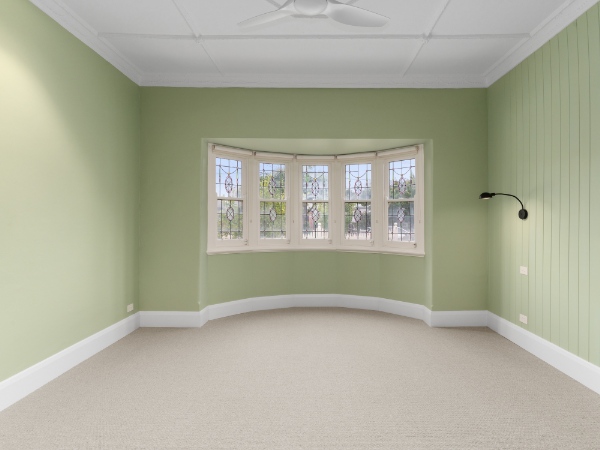
Image of Tanya’s Renovation. Photographer: Kip Scott
Amelia Lee
Yeah, thank you for sharing that. It’s such a great example to help people understand how to simplify that decision-making for themselves. So now, your project significantly improved the performance of your home, and that was a big goal for you. You took it from 3.6 stars to 7.4 stars energy efficiency, which is an extraordinary jump. So, what were some of the most impactful changes that you made, and how did you actually decide that they were going to be worth prioritising and then juggle those decisions with your budget and other priorities that might have jumped up in the meantime?
Tanya
Yeah, I think that building a healthy home was really important to us, and that also came from the learning through your podcasts and through the HOME Method for our own health of living in the home, but also being a responsible person on the earth to build in a sensible way that was better for the environment.
So, the house was really cold during winter. It was drafty, it was dark. There’s lots of gaps in floorboards. There was lots of easy, quick wins that we could do to make a difference in the home. So, there were six main things that we did to improve the energy efficiency. One was adding additional ceiling insulation. We already had some insulation in there, but we added more. We added under floor insulation. I was talking to Anthony, our builder, the other day, and I said, “Even when we have a shower in winter, the tiles feel warm.” And he said, “Yeah, because you’ve got insulation under your shower.” He taped all the floor to wall joins. We removed one of our fireplaces, which was an unused fireplace. We retained one because we like to toast marshmallows around that in winter. So, held on to that. And we added the double glazed tilt and turn windows, which are fantastic. That’s definitely one of my favorite additions for the home.
And a shade awning to the outside of the living area on the north facing side of the house, which was the energy assessor calculated things like the angle of the sun in different times of the year and things like that to make sure that we had the right amount of light versus sun coming into the living space. And then there was two other things that we wanted to do, but from budget perspective, we opted out of. One of those was the Magnetite. It’s like a double glazed additional level to the windows, particularly because we’ve got a lot of period feature stained glass windows. Would have been nice to have also, because the home is on a semi main road, so noise reduction as well as energy efficiency would have been good, but we just couldn’t. We had to cut some things in the end. And also, our architect looked into cellulose insulation between the cavity of the double brick walls, which sounded good in theory, but in an old house, there’s some debris that falls down the cavity, and so we weren’t able to guarantee that that cellulose could get all the way down through the double brick cavity and then be evenly spread across the wall. So, we opted out of that from a cost point of view ,as well as we couldn’t guarantee that it would actually make an impact.
So yeah, six things that really did make a difference. And it feels good to live in a home that is a much healthier home, higher performing. And it just feels really nice, like in the summer, when it’s really hot, on those days when you get a couple of hot Melbourne days in a row, the temperature is really consistent in the house now, and it feels nice. It feels nice to sleep at night. We’ve got fans in the bedrooms, and it just feels good.
Amelia Lee
Yeah, and I mean, we’ve had some cracking hot days this past summer as well. How have you found the home’s been functioning compared to what it would have been like previously? I mean, when you look at star ratings, that’s not just double the efficiency, it’s an exponential curve. So, you’ve really felt the comfort levels radically improve?
Tanya
Yes, definitely, and particularly in the back half part of the house, which has got all the double glazed windows. There’s days when it’s hot outside and we can just close all the windows, and we’ve got some sheer blinds that we’ve just put in recently as well, which still let the beautiful light in, but they really do block the sun as well, and it stays a really comfortable temperature to put the fans on. If it’s a couple of days in a row, then we might put the air conditioner on as well. But it’s a really comfortable temperature.
And then down the front of part of the house, which is the older part of the house, it doesn’t have the double glazing windows. It’s still the double bricks means that the heat doesn’t get in for a couple of days. If you get few of those hot days in a row, then it does seep in, but we’ve got enough openable doors and windows and things now that once that cool breeze does come in, that we can open the house right up and still feel safe and let that air move through. And it’s a really comfortable home now. It’s really lovely.
Amelia Lee
That’s brilliant. So, definitely worth investing in to improve that comfort. And so, choosing the right team clearly made a difference for you. What did you look for in your designer and your builder? And how did that process of being able to have the resources in HOME Method and knowing what to ask them and all of those kinds of things actually help you bring that team together well?
Tanya
I think through the HOME Method process, we understood that we probably needed four main team members. We needed an architect. We just did decide we wanted an architect over a draftsperson, an interior designer to help us make those decisions and choices, to take the pain and noise out of those choices, an energy assessor, and then a great builder to bring it all together. And so the resources that we got through HOME Method really helped us to identify those individuals, but also to reach out and meet them.
And I felt far more confident asking questions of those people. I think, the first couple of builders that I tried to meet before I’d done HOME Method, I felt like they knew everything, I didn’t know anything. I didn’t know what to ask them. It was really more focused on floor plans and how long this process is going to take, as opposed to knowing about whether they’ve got a building license, and all those questions that I didn’t feel like I had a right to even ask. And so, the HOME Method education really helped me to feel confident to ask those questions, probe further. I work in HR, so I understand how important it is to get the team right in the first place. It made total sense to me. After I’d done the education, I was like, this makes sense. Get the right people involved, you can do anything. So, yeah, so we did the education. We started interviewing builders, for example. We were lucky we had three great builders that we met with. But in the end, I think we came down to two.
One had a lot of Passive House experience, and so that was really important to us. And then the other builder that we were looking at, I felt like we had a really strong connection straight away. He was doing a Passive House course, but hadn’t had any experience building Passive House. And not that we’re aiming for a Passive House, but just the understanding of that knowledge. But he seemed to also be interested in learning and have that growth mindset as well. And I actually put the question out then to the online community about which way would you go? And help me make this decision, because I just wasn’t sure which way to go. And the community was fantastic. My gut feeling probably said, go with Anthony, because we had this amazing connection with him from the beginning.
I asked him a question, this wasn’t on the template from the HOME Method… There’s a section of floorboards in our house that my daughter was really attached to. For some reason, it reminded her of her friend. And so I said to each of the three builders that we’ve met with, “What could we do to preserve this section of floorboards?” And Anthony, straight away, he said, “Oh, that’s easy. We love doing projects and taking some of the old house to the new and we can make a picture frame. We can do a frame around a mirror. There’s so many things we can do.” And straight away, I was like, “Oh, he understands us as people as well, and he cares deeply about things like this.” And so, it just seems like a no-brainer that Anthony was the builder we went, and we’re so glad.
He absolutely made our project such an enjoyable project, easy to talk to, great communication, kept our project on time. When things went not quite right, he came to us with the solutions that he had and his recommendation. Yeah, he was fantastic.
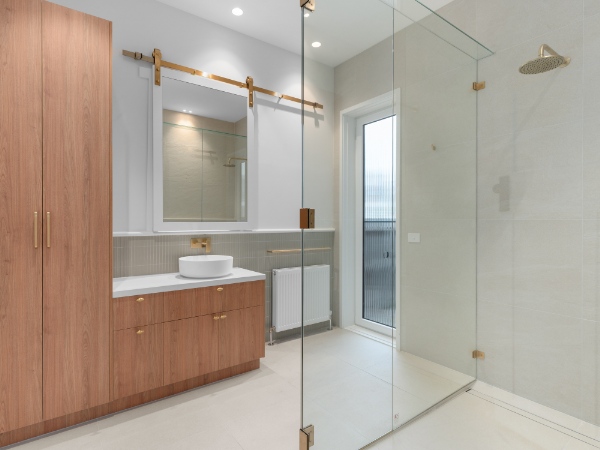
Image of Tanya’s Renovation. Photographer: Kip Scott
Amelia Lee
Yeah, that’s awesome. And, I mean, the interview templates that we give you, give you the opportunity to be very nosy about people. You get licensed to basically ask a lot of granular questions, and we joke about the fact that you can just tell them that Undercover Architect told you to do it. Blame me. And so, it does enable you to gather a lot of information, but I love that you had that extra question about something that was really personal and important to you and your daughter, and that gave you the opportunity to flesh out that alignment and understanding as well.
And yeah, Anthony, I know he spoke really highly of what it was like to work with you. And this is the thing, I’m often getting asked, “Can you recommend me a builder? Can you recommend me an architect? Recommend a designer?” We, of course, have the Undercover Architect Army inside HOME Method, where professionals have reached out to us or other members have used them, and we’ve then said, “Do you want to be added to the UA army?” Because they are like minded with Undercover Architect and what we teach, and the way that we suggest people get to work with their team. But it’s such a personal thing. I feel like, as a client, you really have to do the work of understanding what you need, getting clarity on that, then being able to ask the right questions, so that you know the kind of information that you’ve actually got so you can cross your t’s and dot your i’s.
But also that you can see how are they communicating with you? What’s the vibe that you’re getting from them? Are they meeting you where your needs are at? And so, there’s this combination of getting the right intel whilst also being able to see is that personal connection there, and do you actually see that this is somebody that could be in your life for the next 12 to 18 months whilst you navigate this project? And that you can trust in a way that is not just about handing over large sums of money and creating something really long term for you, but that you can have really intimate conversations with, and that you don’t feel silly or exposed by being able to talk with that. And I think it’s this really interesting thing that I think you’ve done really well, Tanya, of getting yourself educated, asking the right questions, having that clarity for yourself, and then leaning into, “Well, I want to ask this personal question”, and then getting that feedback loop. And then that slowly, over time, really then builds that connection that then enables you to really elevate the quality of relationship that you get to have with your professional.
And Anthony’s such a great operator, and he’s such a lovely person as well. So, he operates with a lot of integrity. And he spoke on the podcast about, I think it was something with your heating system where it wasn’t going to work out, and he knew it was going to be variation, and he was tying himself in knots over how he was going to come to you with that. And I think that’s that thing, everybody’s people inside what is a professional relationship, but it’s so important that you can actually have really candid conversations with each other. And that takes being able to feel that you’ve got the level of professional understanding of how they operate their business, to then be able to trust that personal connection as well.
So, I think you did a great job of being able to combine the two in terms of getting that brief together, getting the interview checklist, and then being able to elevate it with that personal connection. So, absolutely brilliant.
RESOURCES
Project Team for Tanya’s Renovation:
- Architect: Altereco >>> https://www.altereco.net.au/
- Builder: Two Tone Construction >>> https://twotoneconstruction.com/
- Photographer: Kip Scott >>> https://www.instagram.com/kip.scott/
Check out these podcast episodes:
- Episode 359 ‘Getting it Right in Your Renovation, with Builder, Anthony Hickey, Two Tone Construction’ >>> https://undercoverarchitect.com/podcast-getting-it-right-in-your-renovation-builder-anthony-hickey-two-tone-construction/
- Episode 360 ‘Getting the Best Build Experience, with Builder, Anthony Hickey, Two Tone Construction’ >>> https://undercoverarchitect.com/podcast-getting-the-best-build-experience-builder-anthony-hickey-two-tone-construction/
Access the support and guidance you need (like Tanya did) to be confident and empowered when renovating and building your family home inside my flagship online program, HOME METHOD >>> https://undercoverarchitect.com/courses/the-home-method/
Learn more about how to interview and select the right builder with the Choose Your Builder mini-course >>> https://undercoverarchitect.com/courses/choose-your-builder
My free ’44 Ways’ E-Book will simplify sustainability for you, and help you create a healthy, low tox and sustainable home – whatever your dreams, your location or your budget. Access your copy here >>> https://undercoverarchitect.com/ways

 With over 30 years industry experience, Amelia Lee founded Undercover Architect in 2014 as an award-winning online resource to help and teach you how to get it right when designing, building or renovating your home. You are the key to unlocking what’s possible for your home. Undercover Architect is your secret ally
Thanks for the article. I really enjoyed reading it